Heat Reflective Paint on Hot Walls
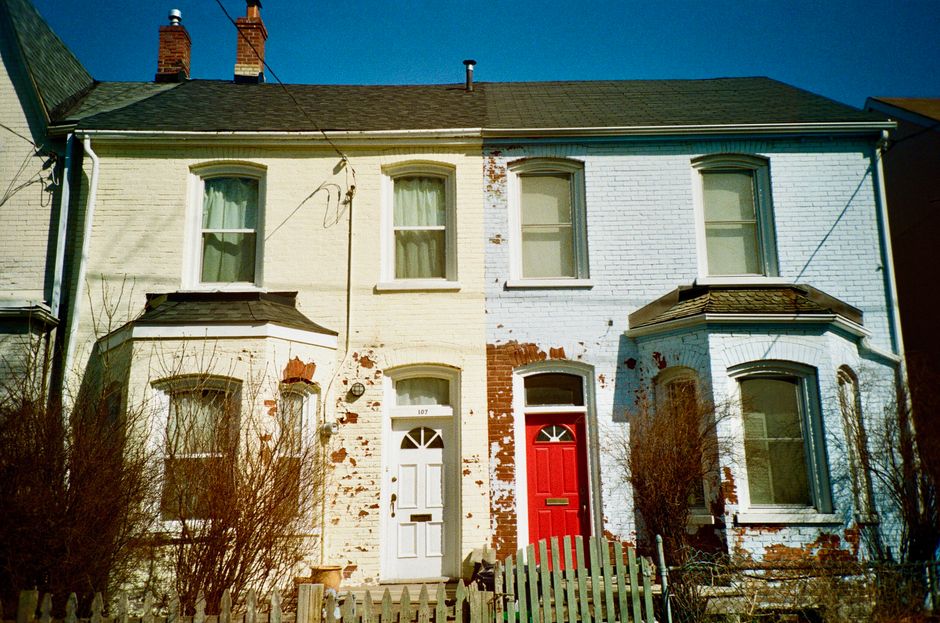
On a west wall in Riverside County, where summer afternoons run long and the stucco is too hot to touch by four o'clock, colour choice changes how much heat the surface holds. The notes at house painting riverside ca claudio corallo chocolate treat heat-reflective paint as one tool among several for a house in Riverside, CA, and not a cure for a hot room.
What heat-reflective paint actually is

Heat-reflective paint is a latex or acrylic coating with pigments that bounce back more of the infrared part of sunlight than ordinary pigments of the same shade. It does not need to be white. Some mid-tone and even darker colours are made with these pigments, so the wall looks the same but runs cooler on the surface than a standard version of that colour.
Light reflectance on the label
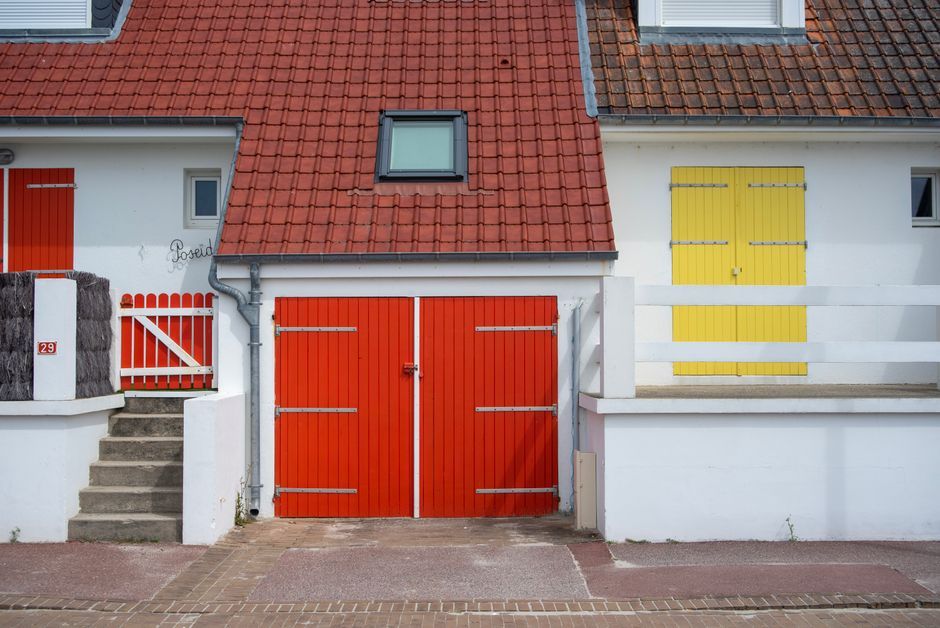
Light reflectance tells how much visible light a colour returns, and lighter colours return more of it. A pale body colour on a west or south wall usually stays cooler than a deep one under the same sun. The number on the back of the chip is a guide, but the wall should still be tested with a sample swatch in place before the whole house is rolled.
What paint cannot do for indoor heat
Paint changes the surface of the wall, not the insulation behind it. A cooler stucco face helps at the margins, but an attic with poor ventilation or thin wall cavities will still make rooms hot. A reflective topcoat is worth doing at repaint time because the labour is already happening, not as a stand-alone fix for a cooling problem.
Preparing hot walls for the coating
Surface temperature matters while painting too. Paint applied on a wall hot from the sun dries too fast, leaves roller marks and does not bond well. Work the shade around the house, start on the east face in the morning and finish the west face as the sun leaves it. Scuff sand glossy old coatings, patch cracks and prime bare patches before the first of two coats.
Sheen and fade in strong sun
Lower sheen colours hide stucco texture and glare less, but the reflective gain comes from the pigment and the colour, not the sheen. A satin sheen on trim will be hotter to the touch than flat on the wall beside it. Deep colours fade faster under the same ultraviolet light, so a darker body colour on a hot wall is a trade between look and long-term durability.
Keeping a record for later
Write down the product, colour and batch on the inside of the garage or electrical panel door. Touch-up paint from a different batch can look slightly different once the original has faded in the sun, so a record, plus a sealed pint, avoids a visible patch later.